
Categories
Find out more about the categories, rules & judging of the UK Photography Print Awards
To enter into any of the below categories, visit the entries page to register and upload your digital images for first round of judging.
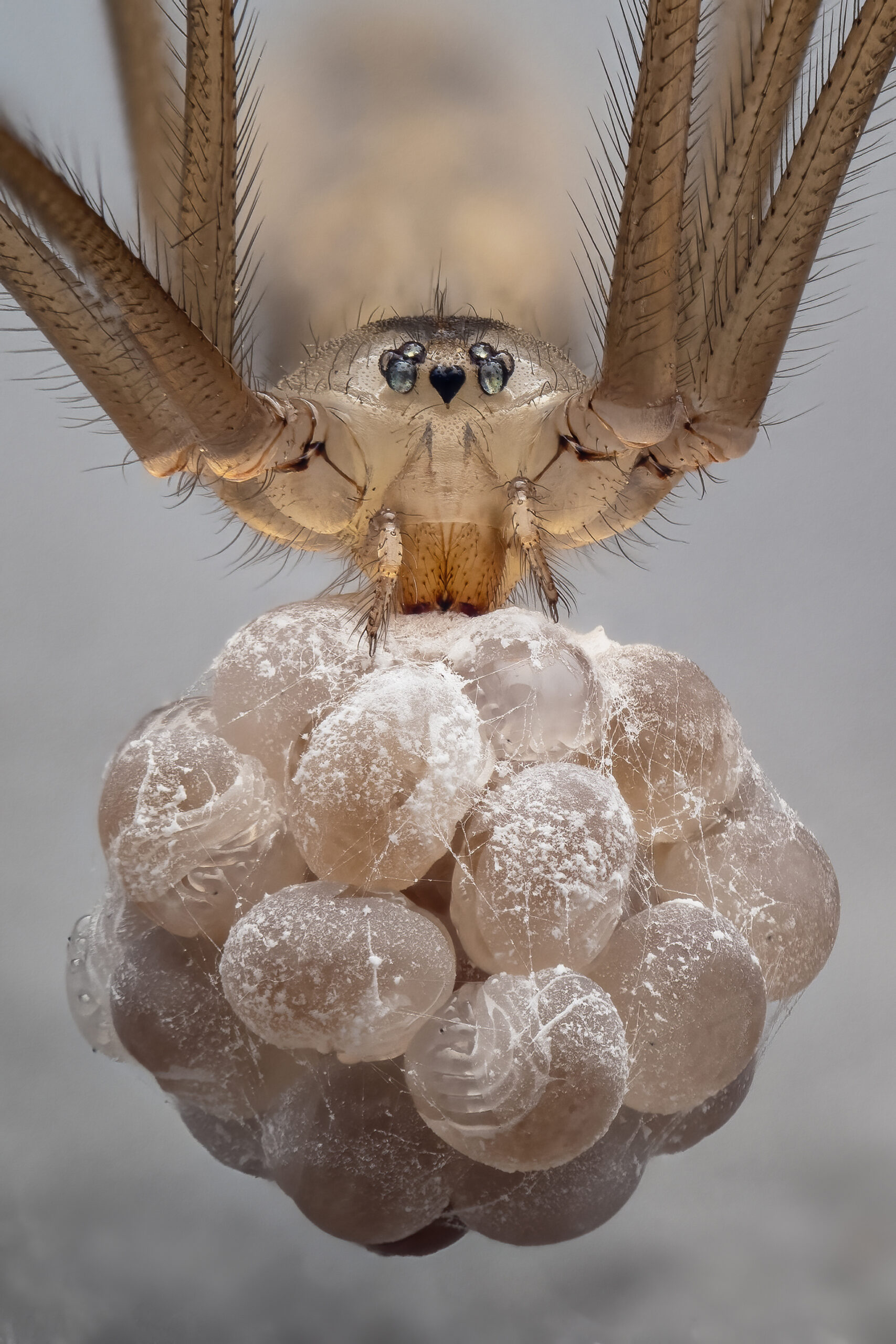
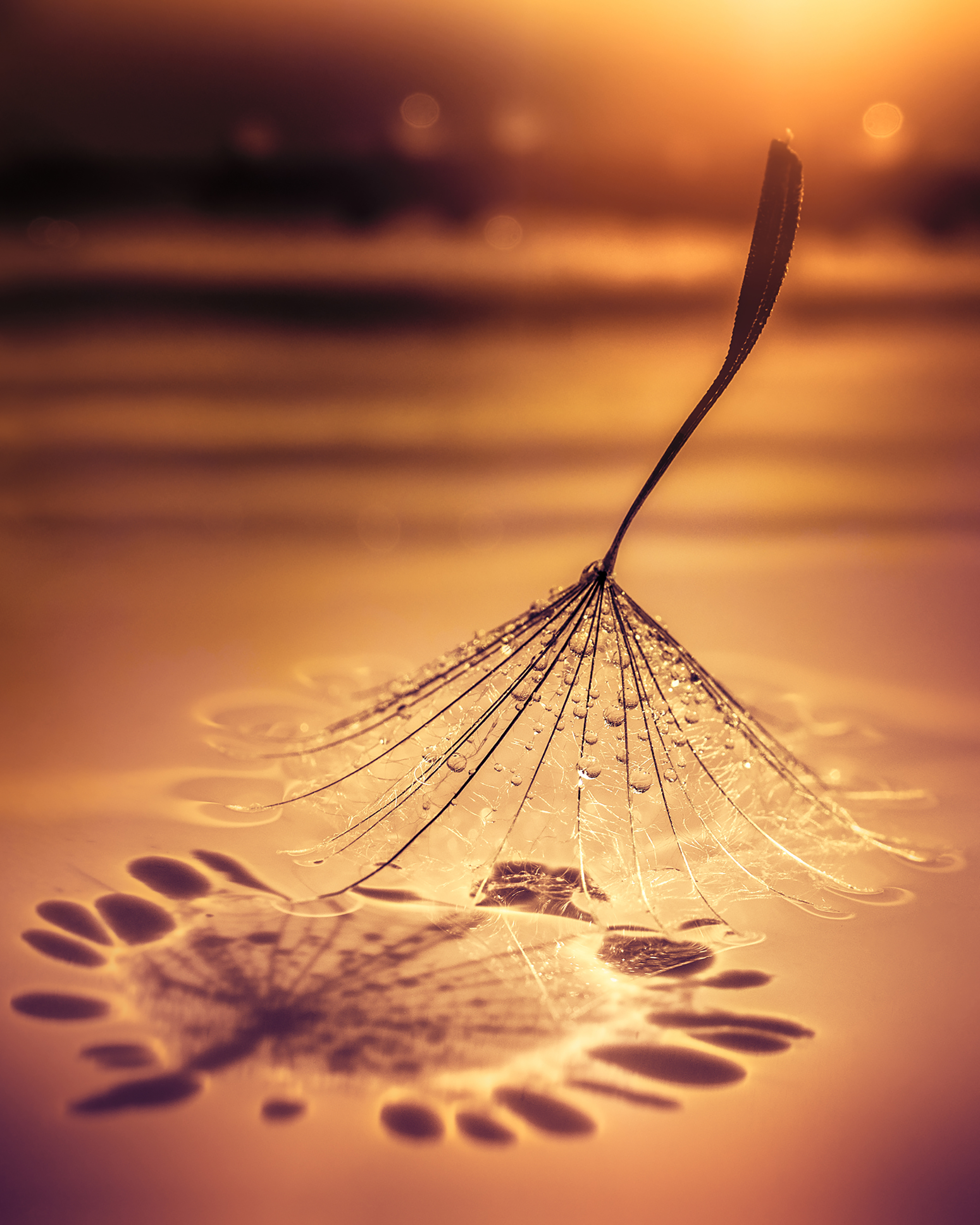
Category Definitions
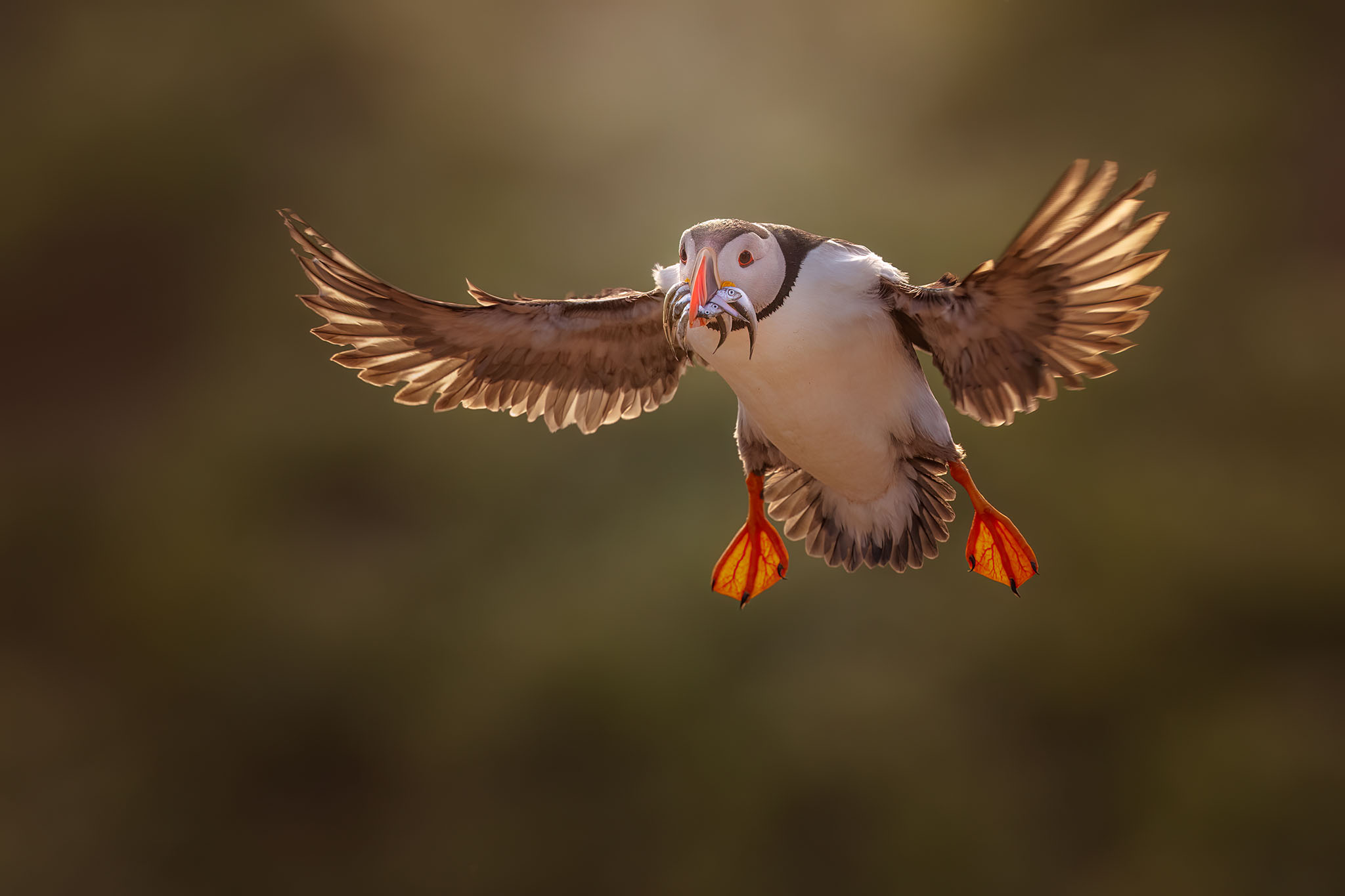
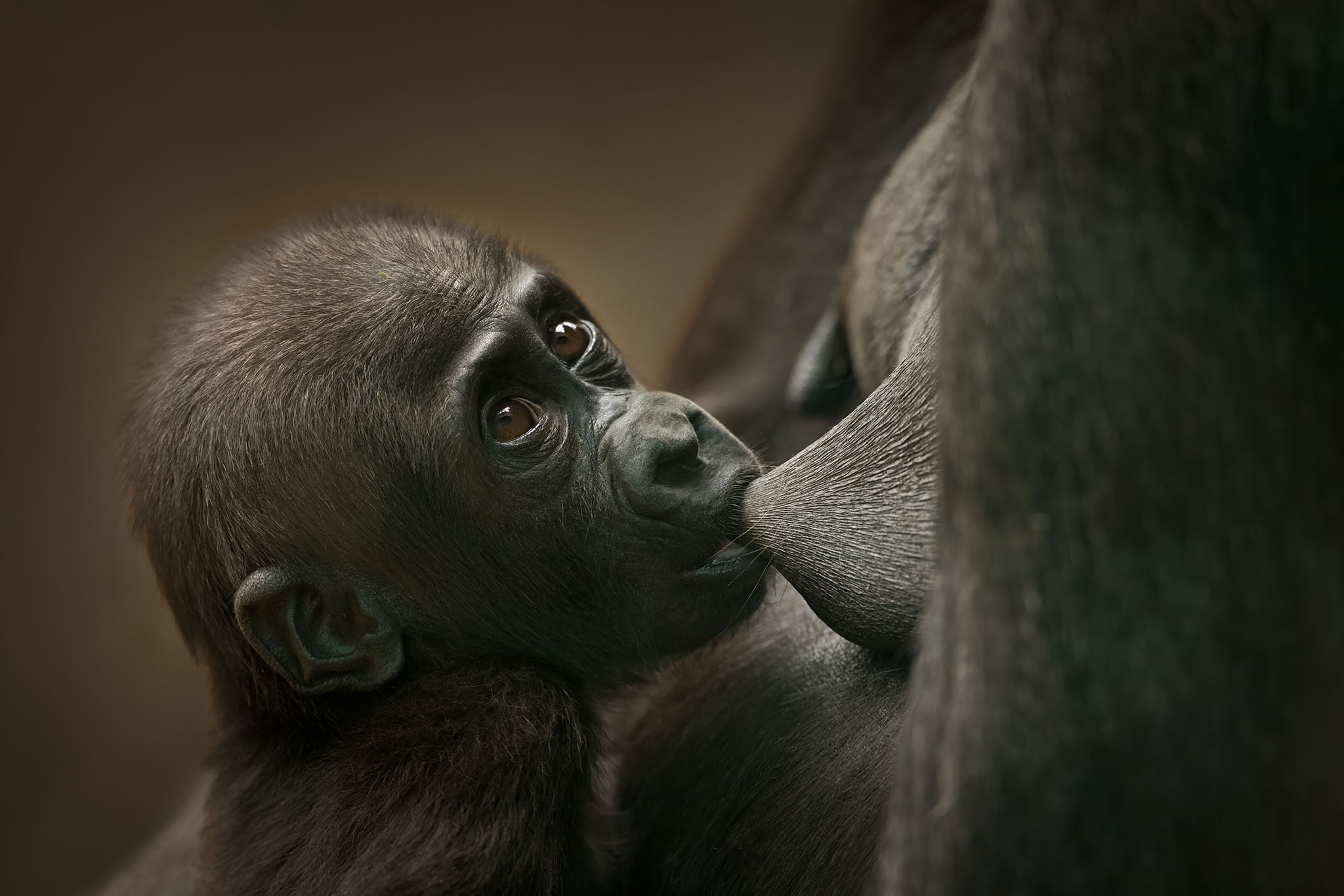
NATURAL WORLD
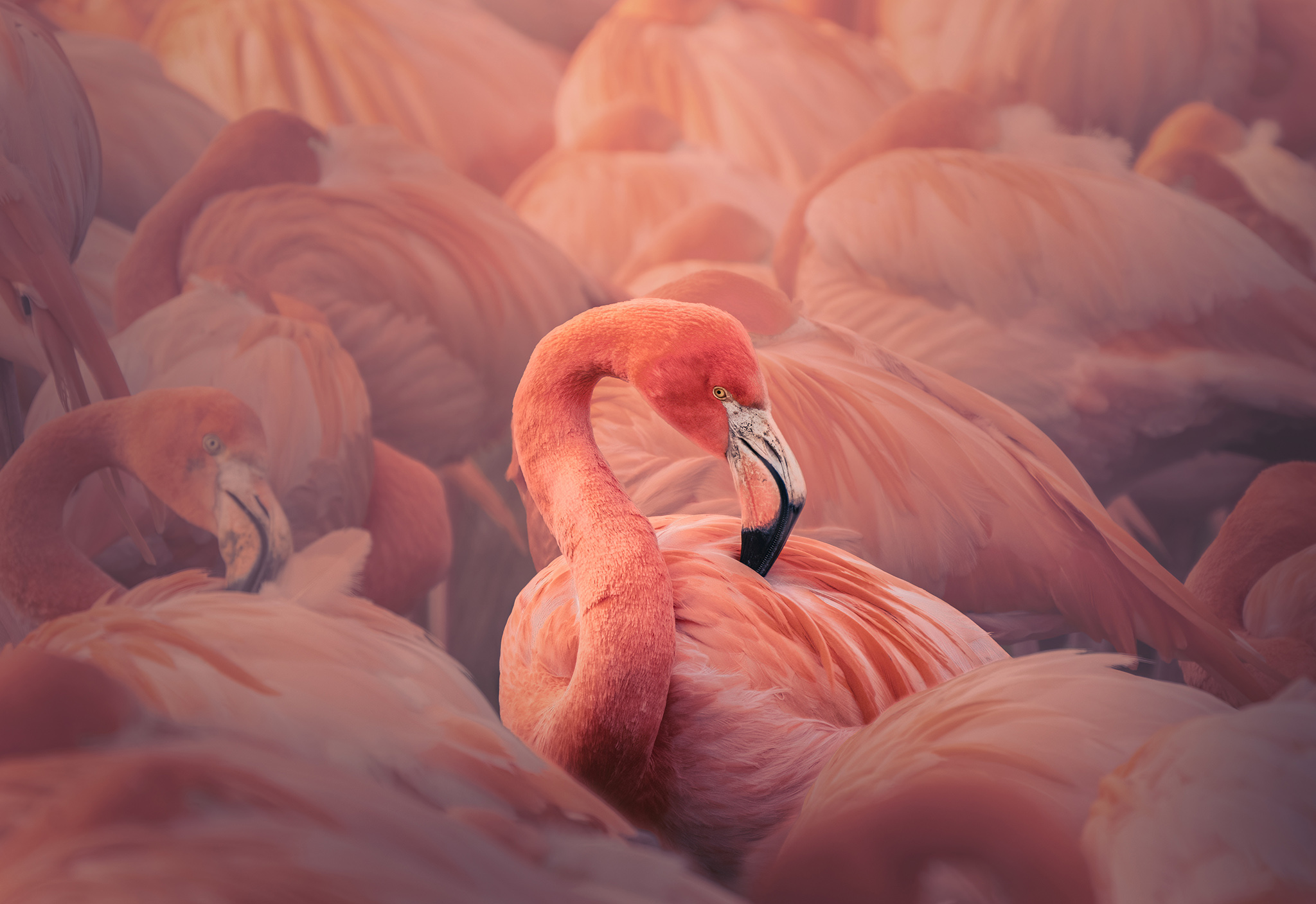
This section is dedicated to photographing Birds, Animals, Flora, Insects, Fish and Wildlife taken within their natural surroundings.
Guidance: In keeping with the section, images of flowers and living creatures should be taken in their natural environments, and living creatures should be those which are ‘essentially free to roam and feed themselves, rather than being wholly reliant on being fed by people’.
Pet animals should be entered in the Pet section. Images of captive animals should be entered in the Open section (captive animals include those in zoos and commercial ‘safari’ type wildlife parks but not parks where the animals are still essentially free to roam and feed themselves, rather than being reliant on being fed by people (such as large deer parks, national safari parks or conservation reserves).
Images taken from outdoor hides (paid or unpaid) are permitted subject to the General Rules of Entry that state images should not be submitted if taken under guidance or in an environment where key aspects of image creation, such as the lighting set-up, are controlled by others rather than yourself. Likewise, images taken where live baiting practices are utilised cannot be entered.
Composites are not permitted, nor can backdrops or textures be added. Vignettes may be applied, and the editing of pixels within the image is permitted, but there are to be NO PIXELS added from auto-generating software to be added..
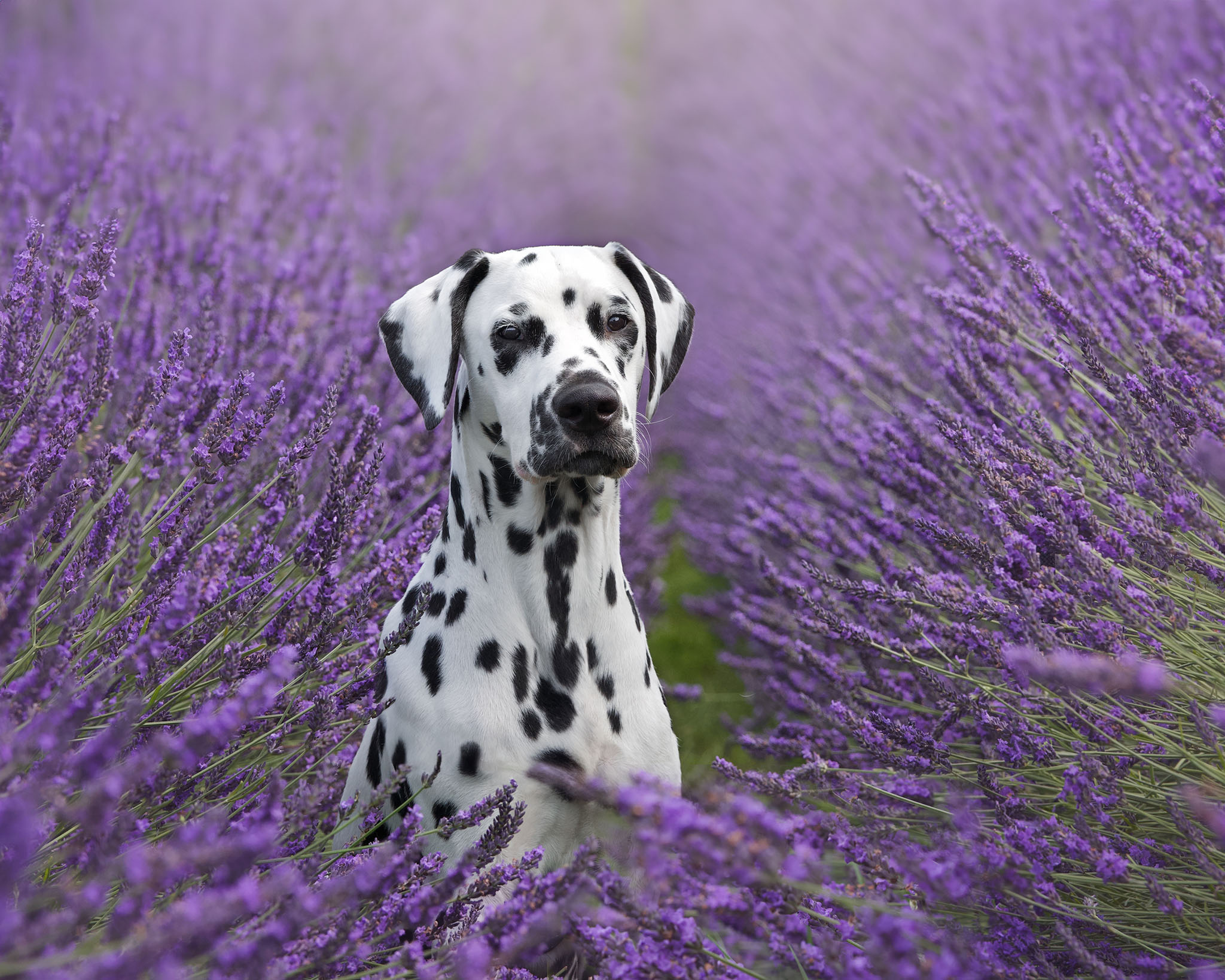
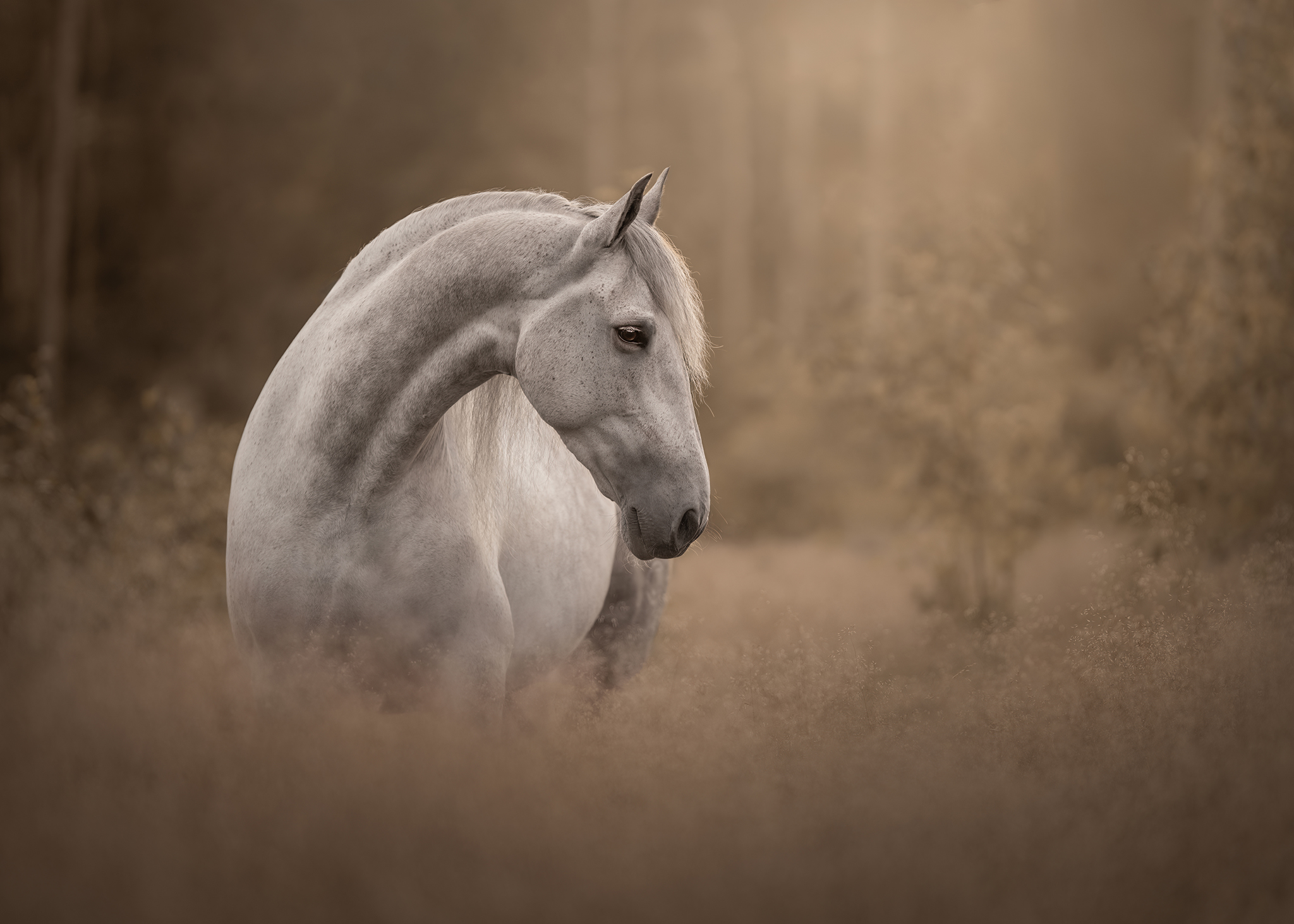
PETS
This section is about the animals we care for and love as family members—from Cats and Dogs to Horses.
Guidance: People can only be included in this section when clearly not a main subject within the image (if they are they would go in the People section). These can be captured as indoor portraits or outdoor shoots but images from events or sports based activities (eg horse jumping) should go in the ‘open’ section.
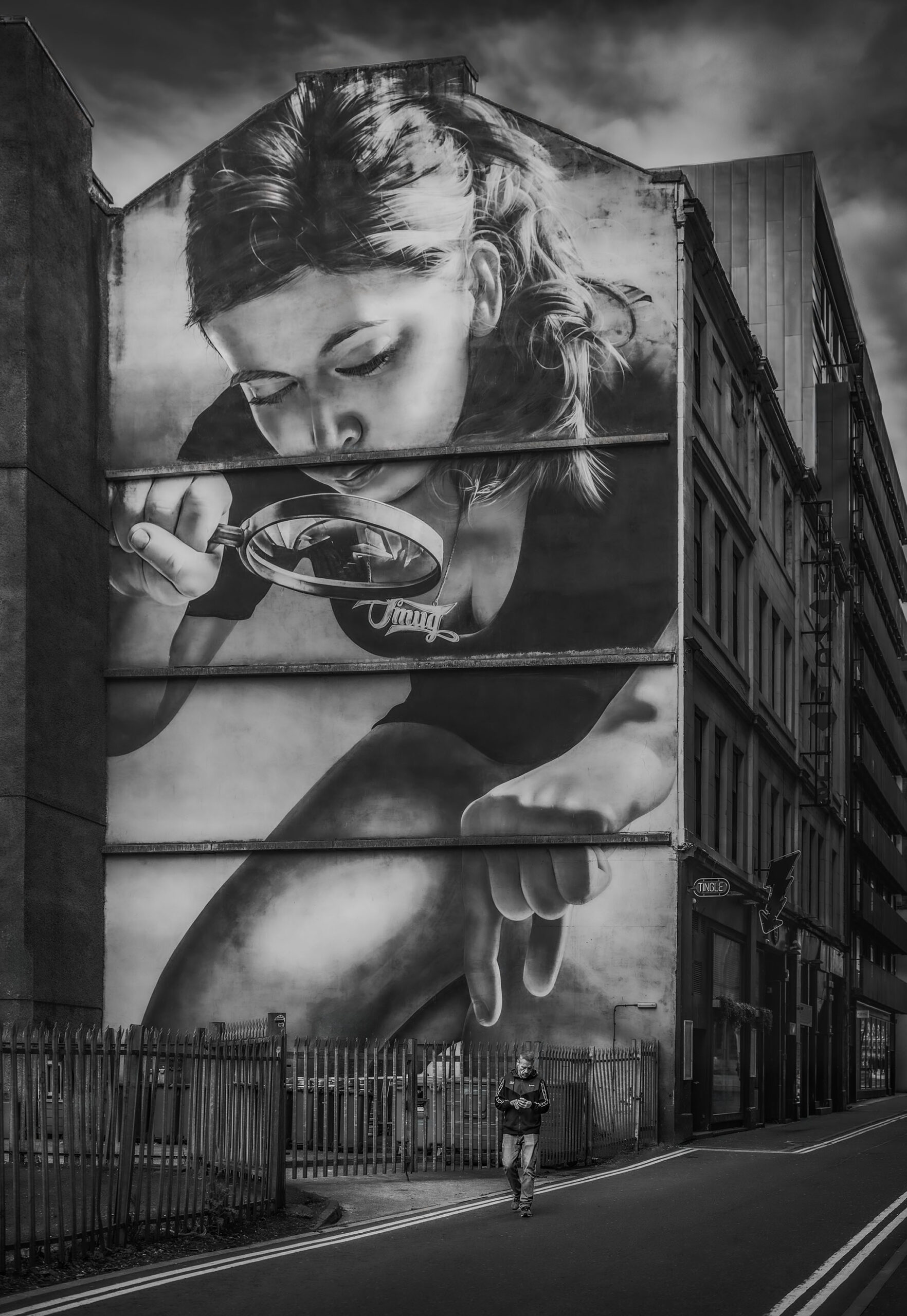
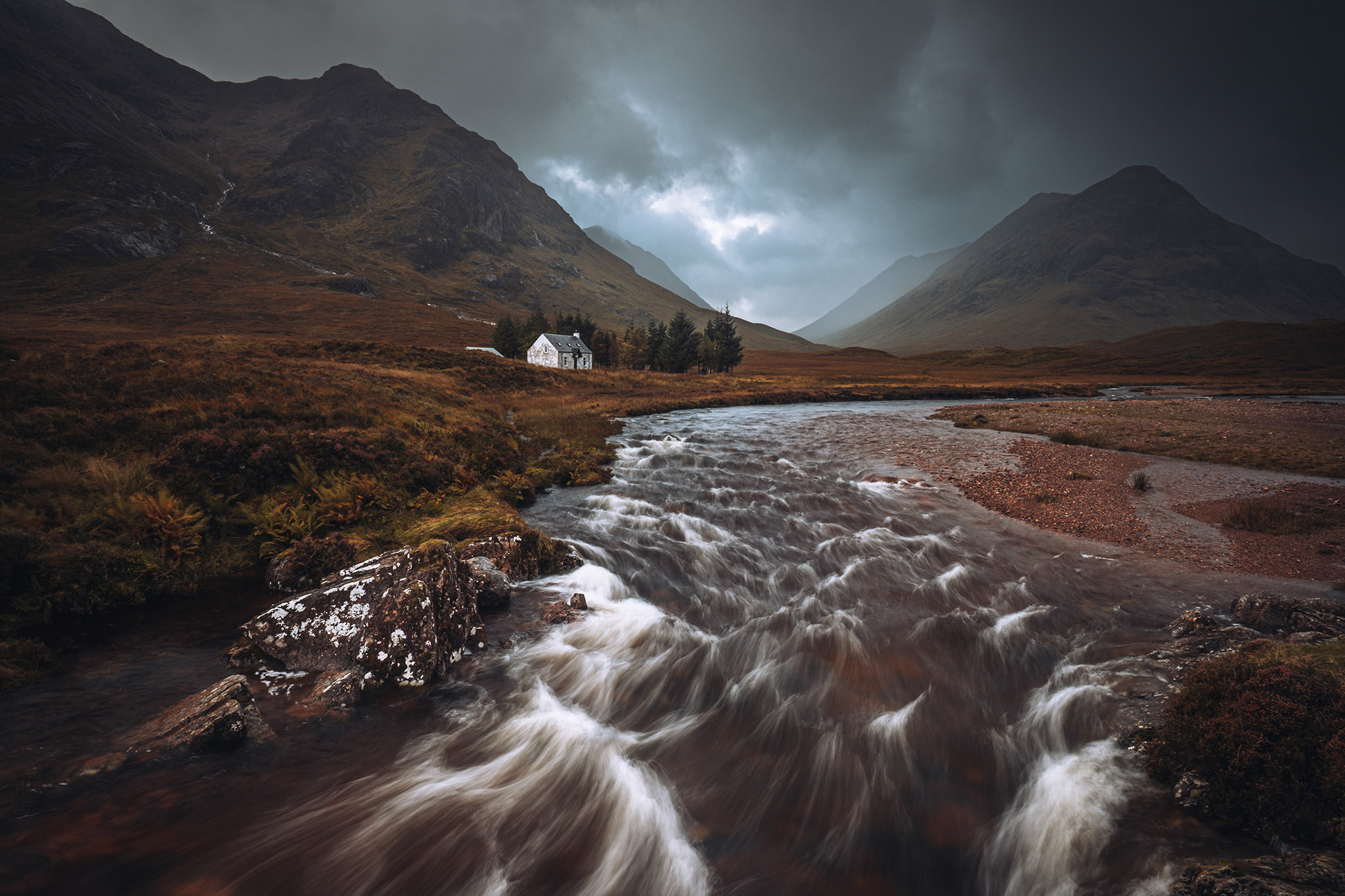
LANDSCAPES, PICTORIAL AND ENVIRONMENTAL
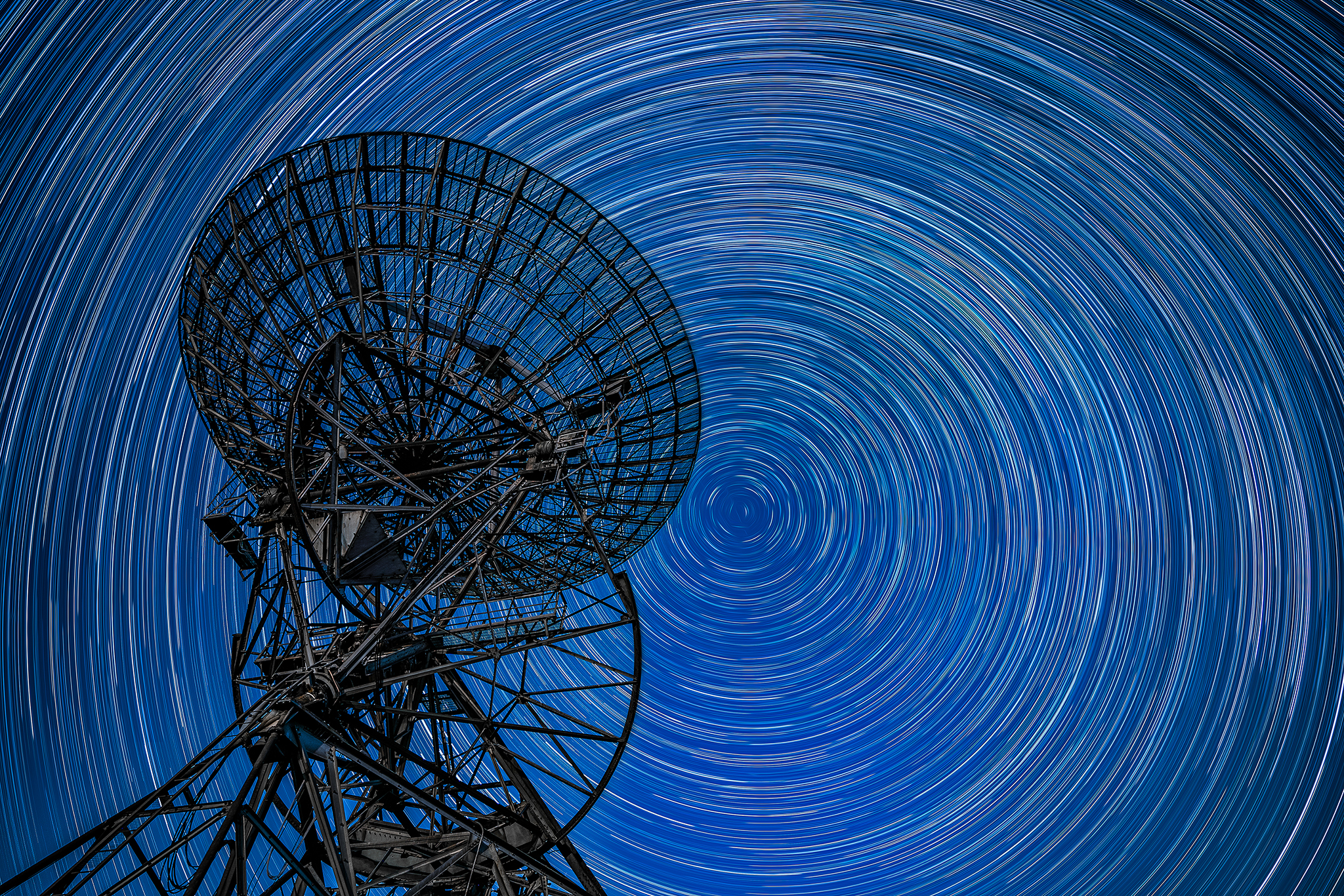
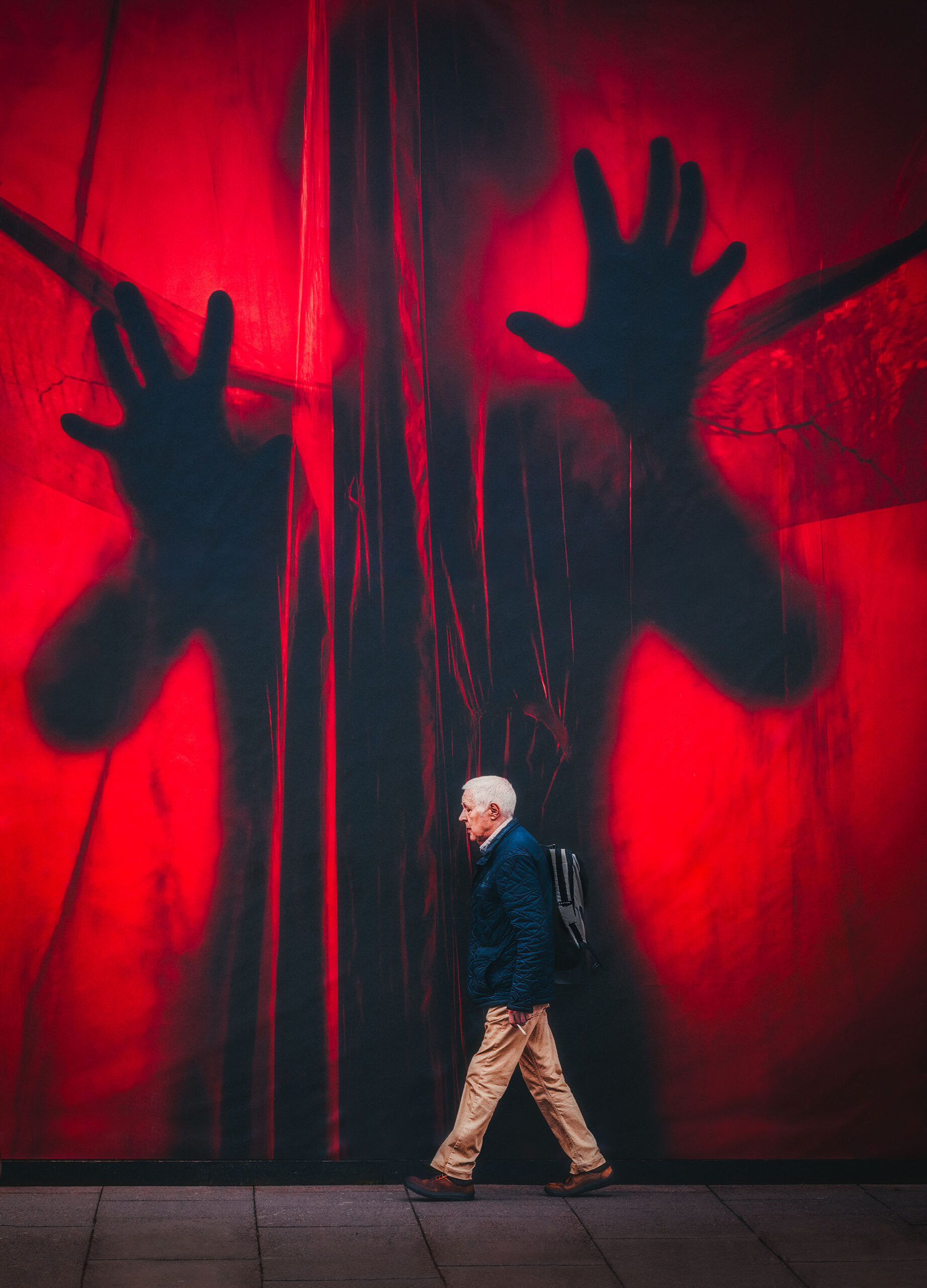
This section is for Landscapes, Seascapes, Astroscapes (including deep space), Urbanscapes, Street Scenes, architectural captures, etc. Basically, any image that is a pictorial capture of the environment we live in.
Guidance: Entries can be ICM (where the subject is recognisable as fitting in this section), multiple exposures, image stacking, and any other editing methods permitted in the general rules can be utilised.
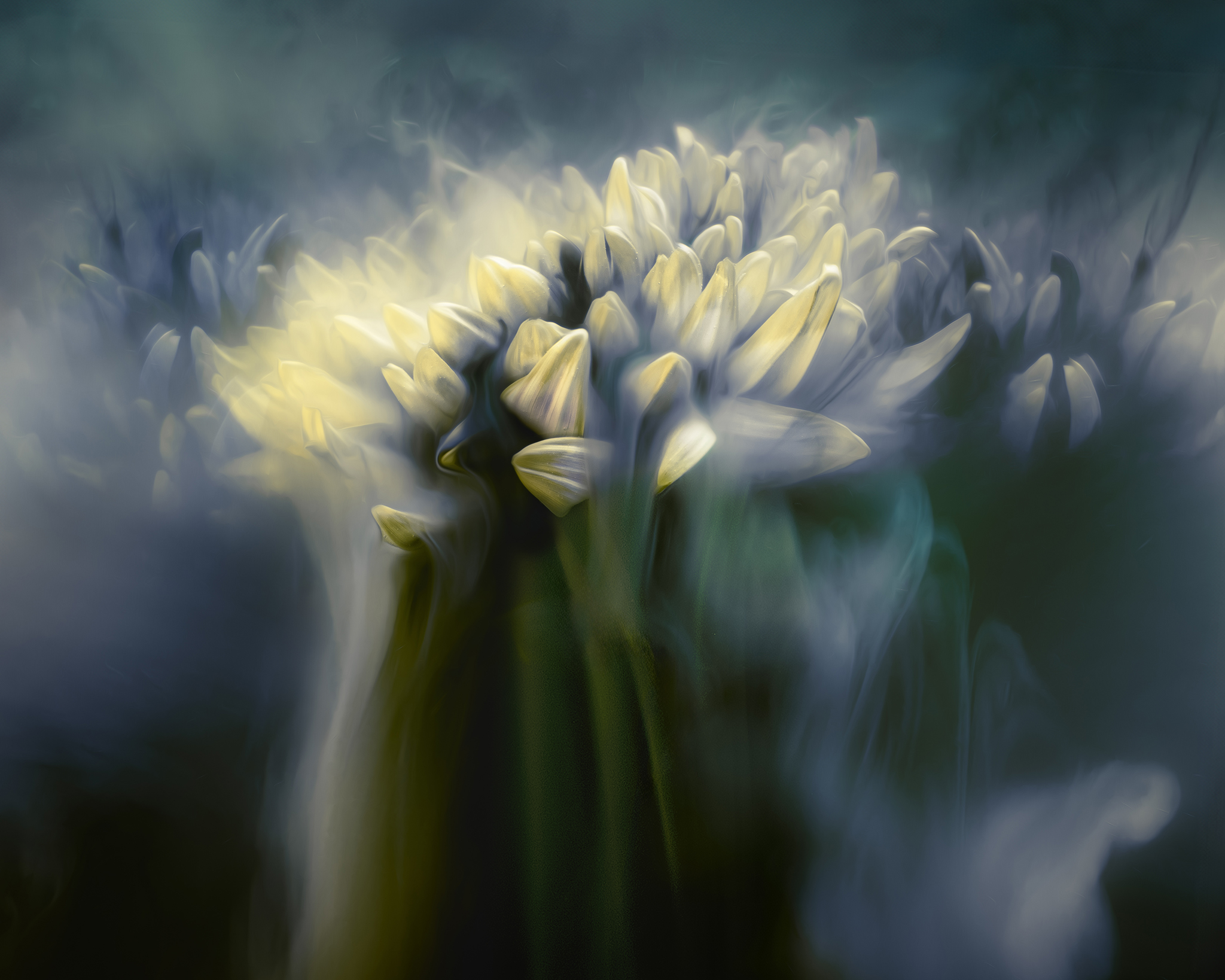
OPEN
Guidance: This section includes but is not limited to –
Captive animals (as defined in the Natural World section)
Animals taken in a natural environment that have been edited in a way excluding them from the Natural World section,
Flower cuttings and other still-life captures that do not fit into the Shots from experience days – the author must have been in control of all elements, lighting, posing etc if appropriate. Images taken under the supervision or guidance of an instructor or mentor cannot be used.
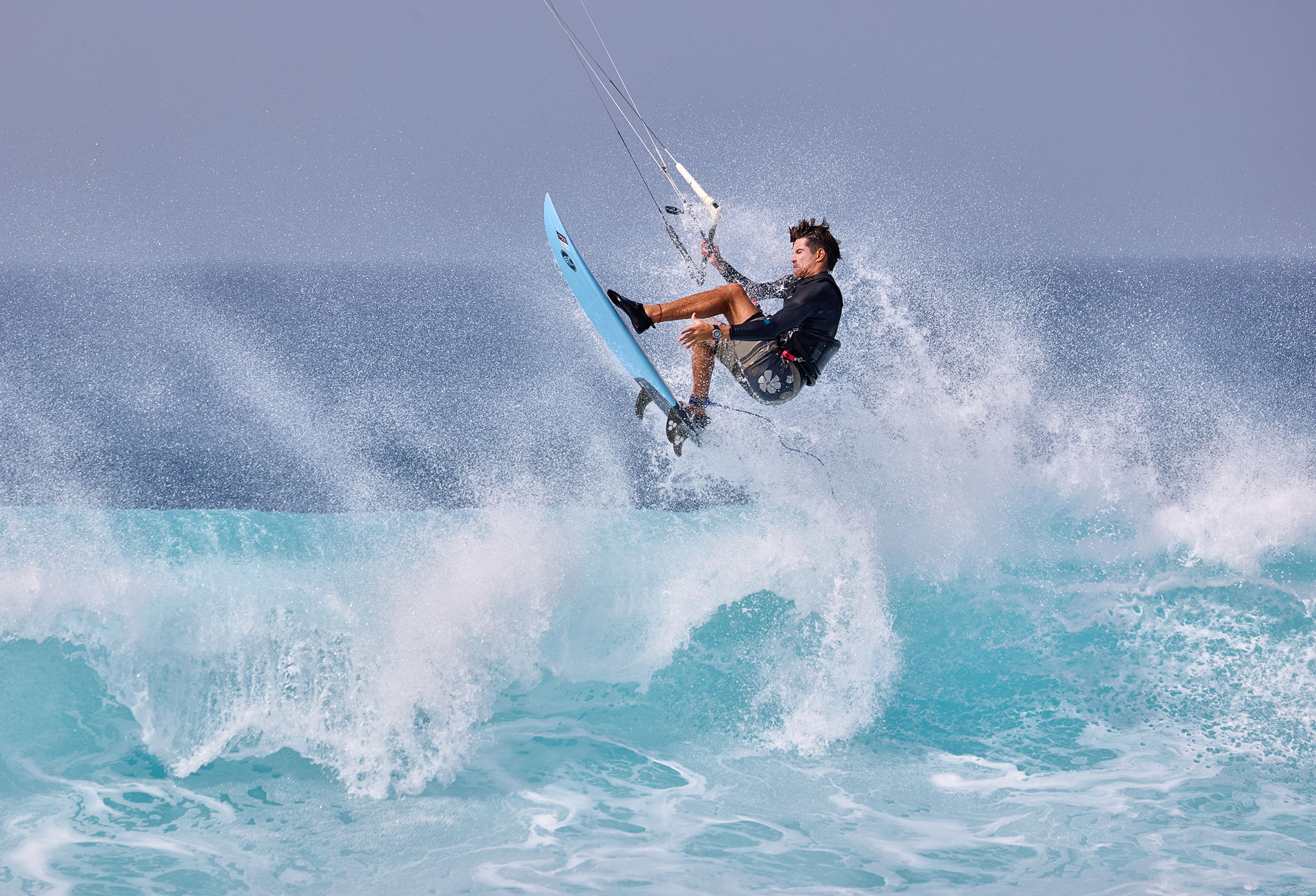
Images taken at sports and events.
Literally, if it doesn’t fit elsewhere, it goes here
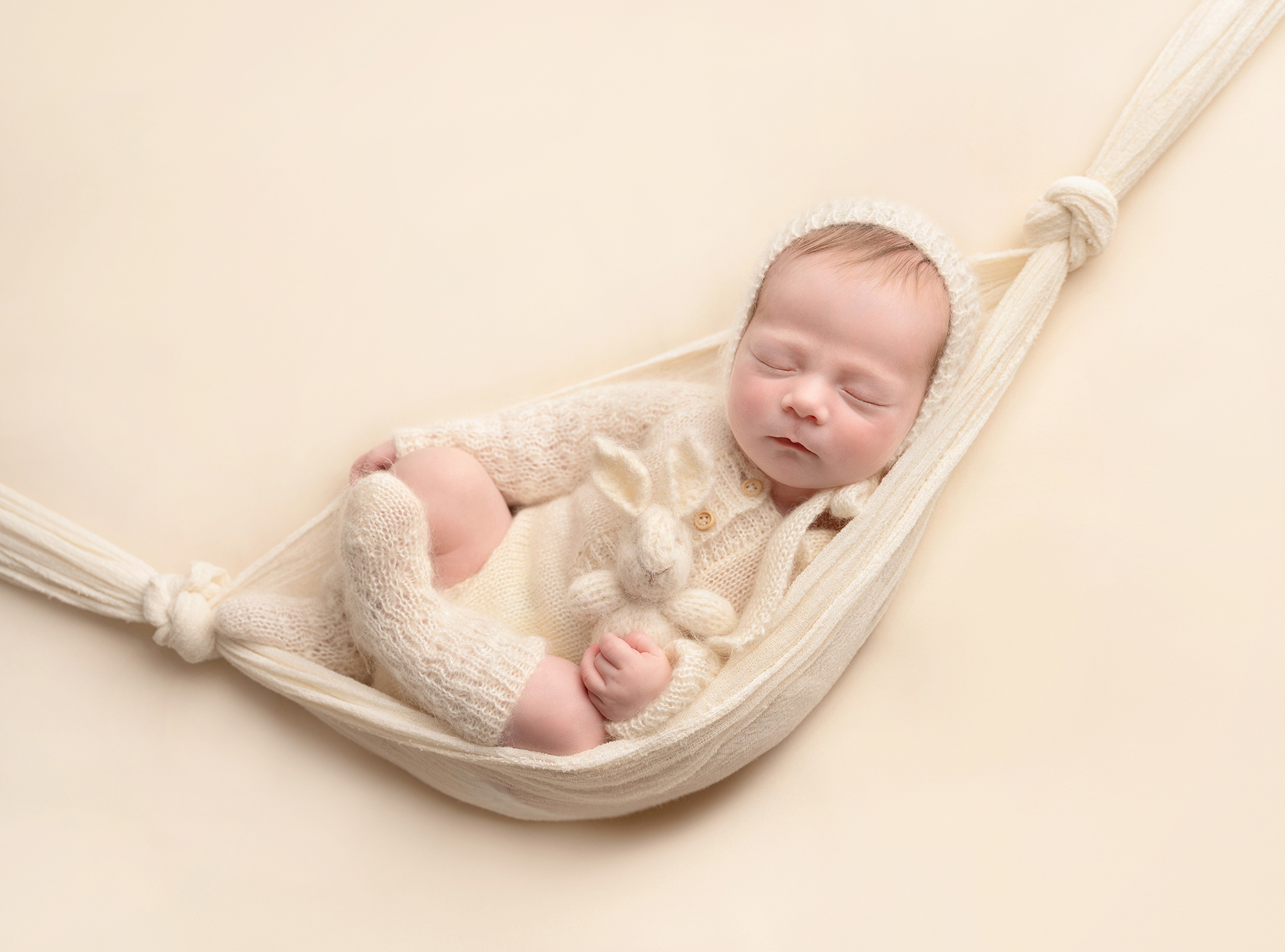
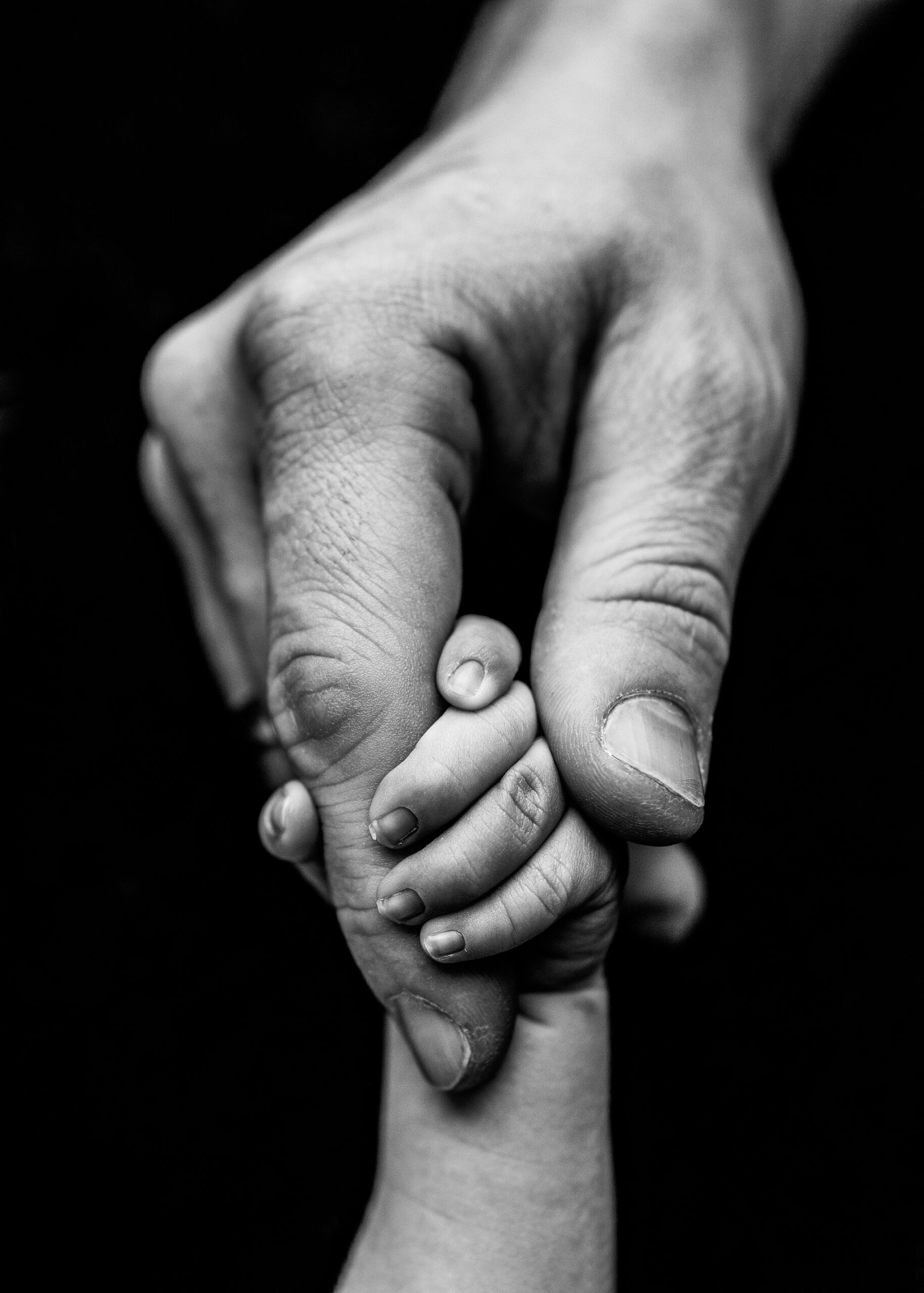
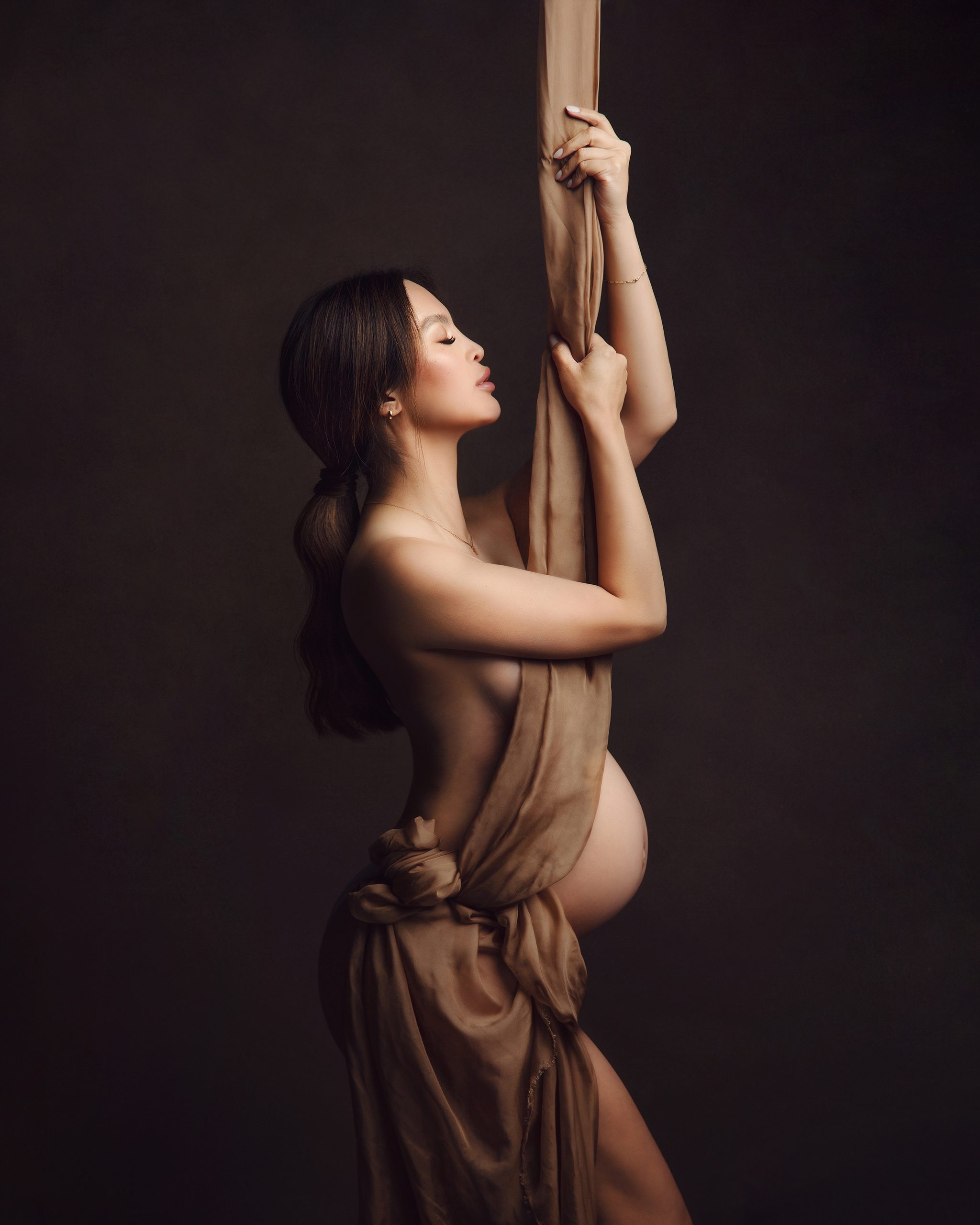
MATERNITY / NEWBORN / BABY
This people-based section covers maternity shoots and babies up to 4 months old. The baby or bump must be the main subject.
Guidance: There may be an adult, older child or pet present with a baby as long as the baby is the clear focus of the shoot as stated above. Family groups should be entered in the People section.
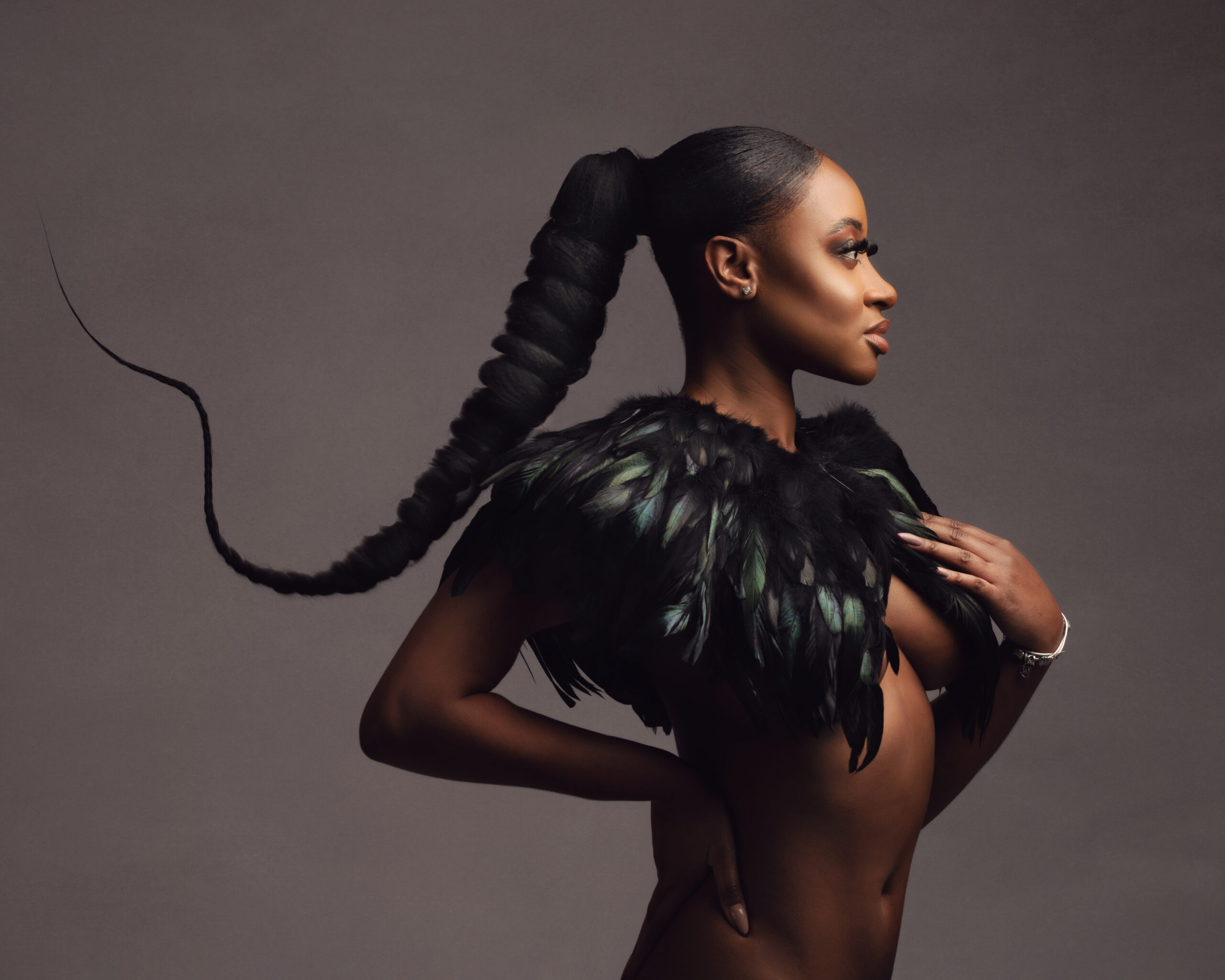
PEOPLE
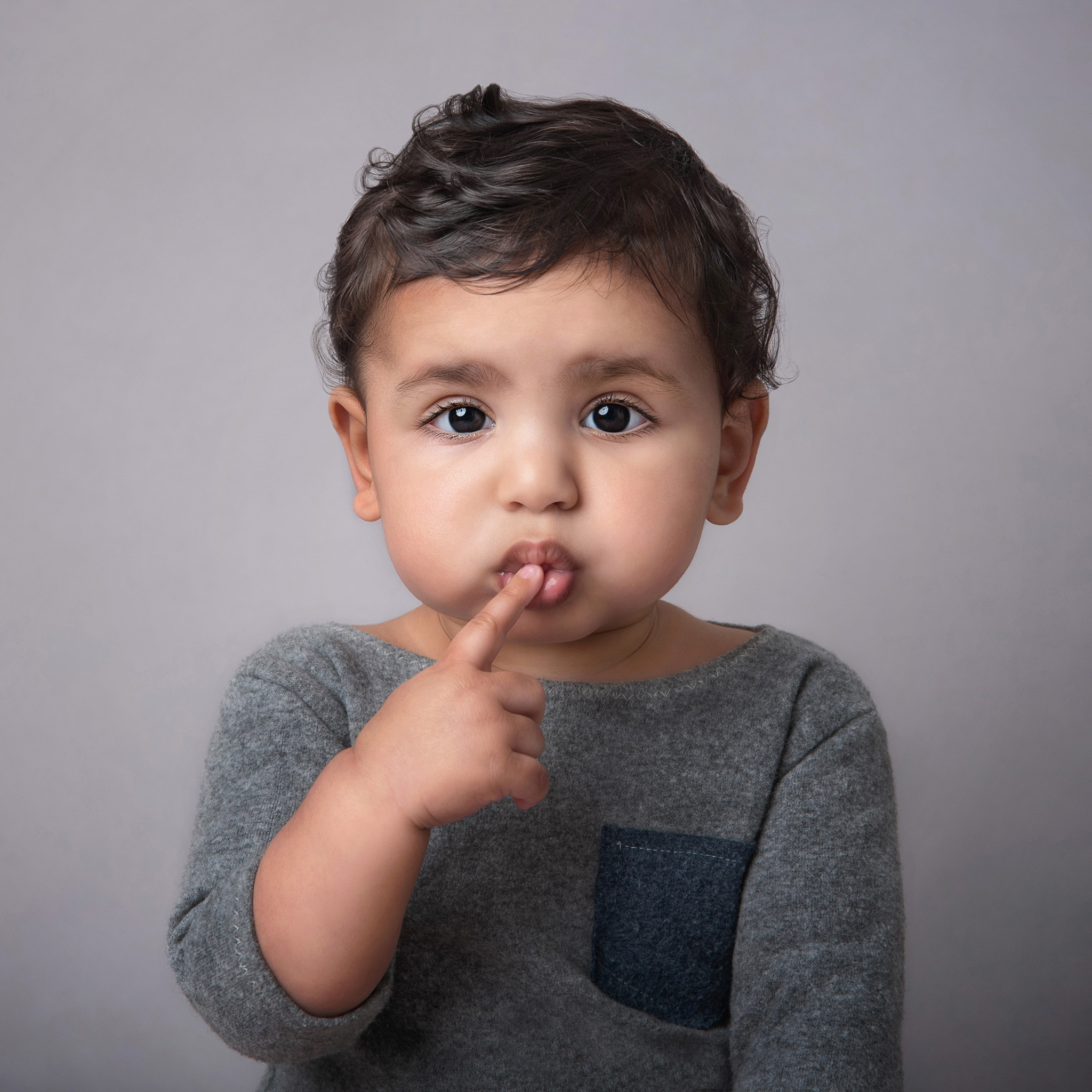
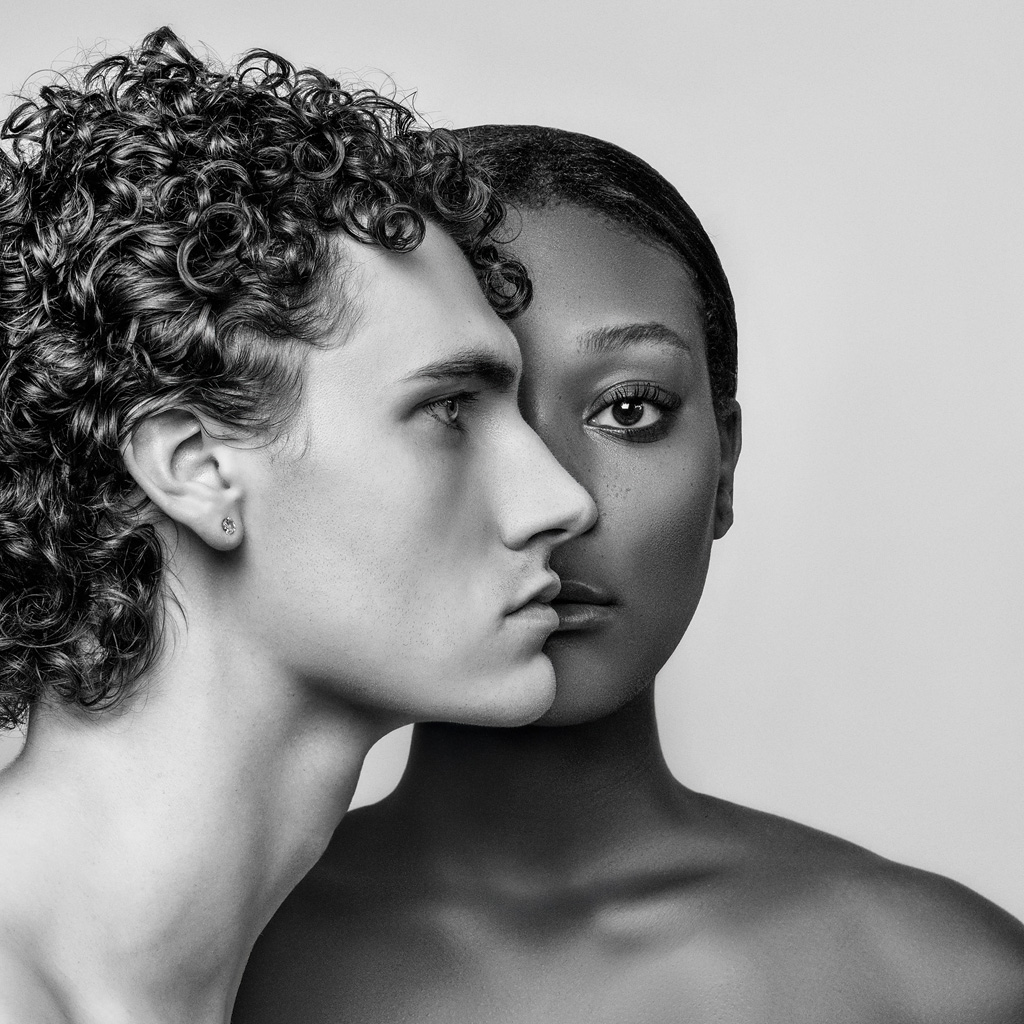
Entries in this section should be shots where capturing an image or story of a particular person or particular people is the clear purpose of the shot!
Guidance: This section includes, but is not limited to, boudoir, portraits, and lifestyle images…. The subject must be recognisable and not hidden by costumes and/or masks—such images can be entered in the ‘Open’ section.
‘Newborn, Baby & Maternity’ images are not permitted, as these are a separate category. That said, shots of a family group containing people of varied ages with a baby or pregnant lady included are acceptable if the family group ‘as a whole’ is the subject (and not an individual). Similarly, pets are also permitted if with family members. Stand-alone images of pets should go in the Pet section.
Images of models in wedding attire and ‘trash the dress’ type shots are permitted, but ‘Live’ Wedding shots are not permitted as there is a separate section for those too. Wedding shots taken NOT on the day the register was signed are allowed in this section.
Landscape—or environment-driven images, as well as those captured at live events, that contain people, are also excluded if the purpose behind the shot is the capture of the landscape, environment, or event rather than the person or people within it.
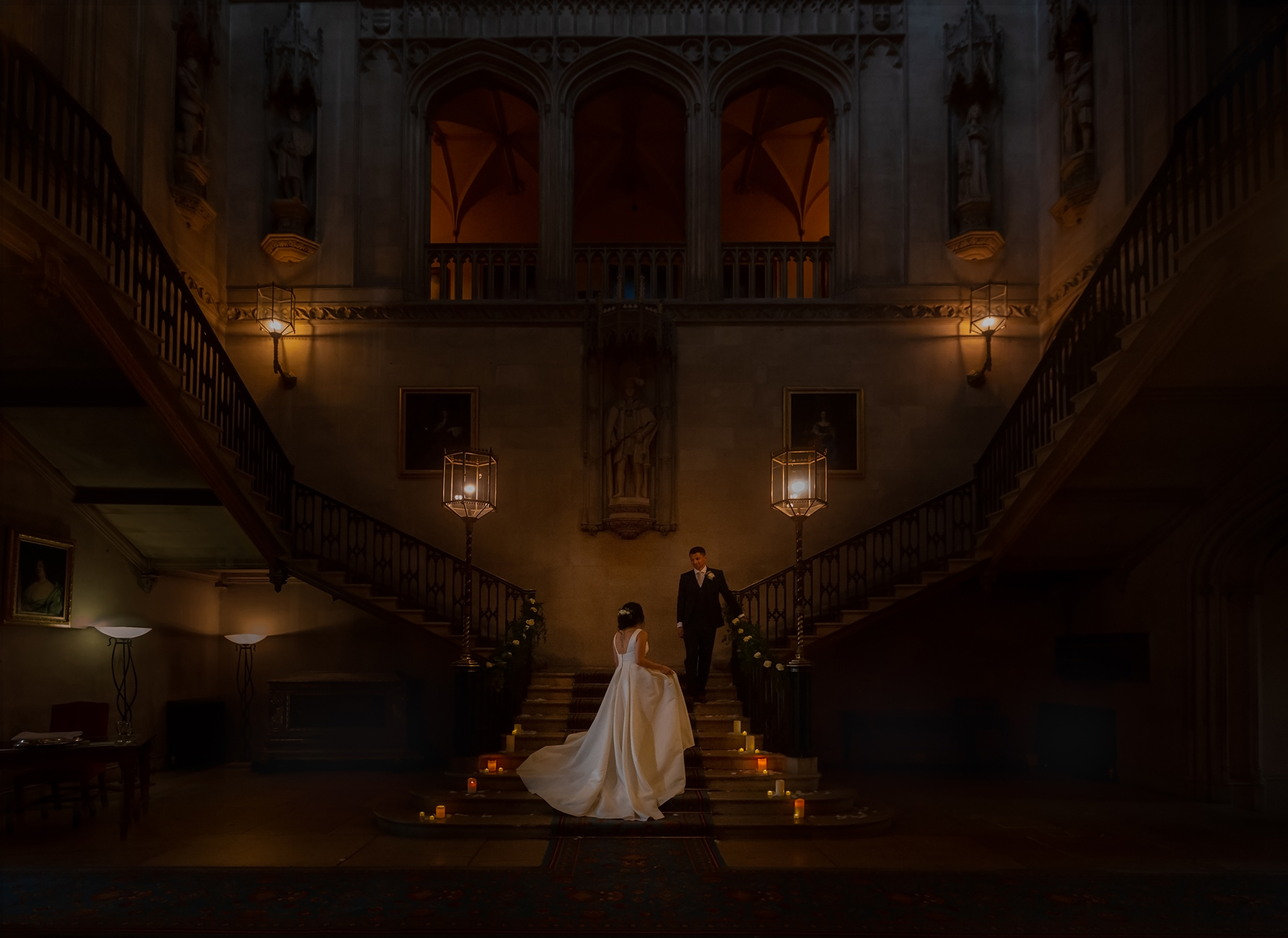
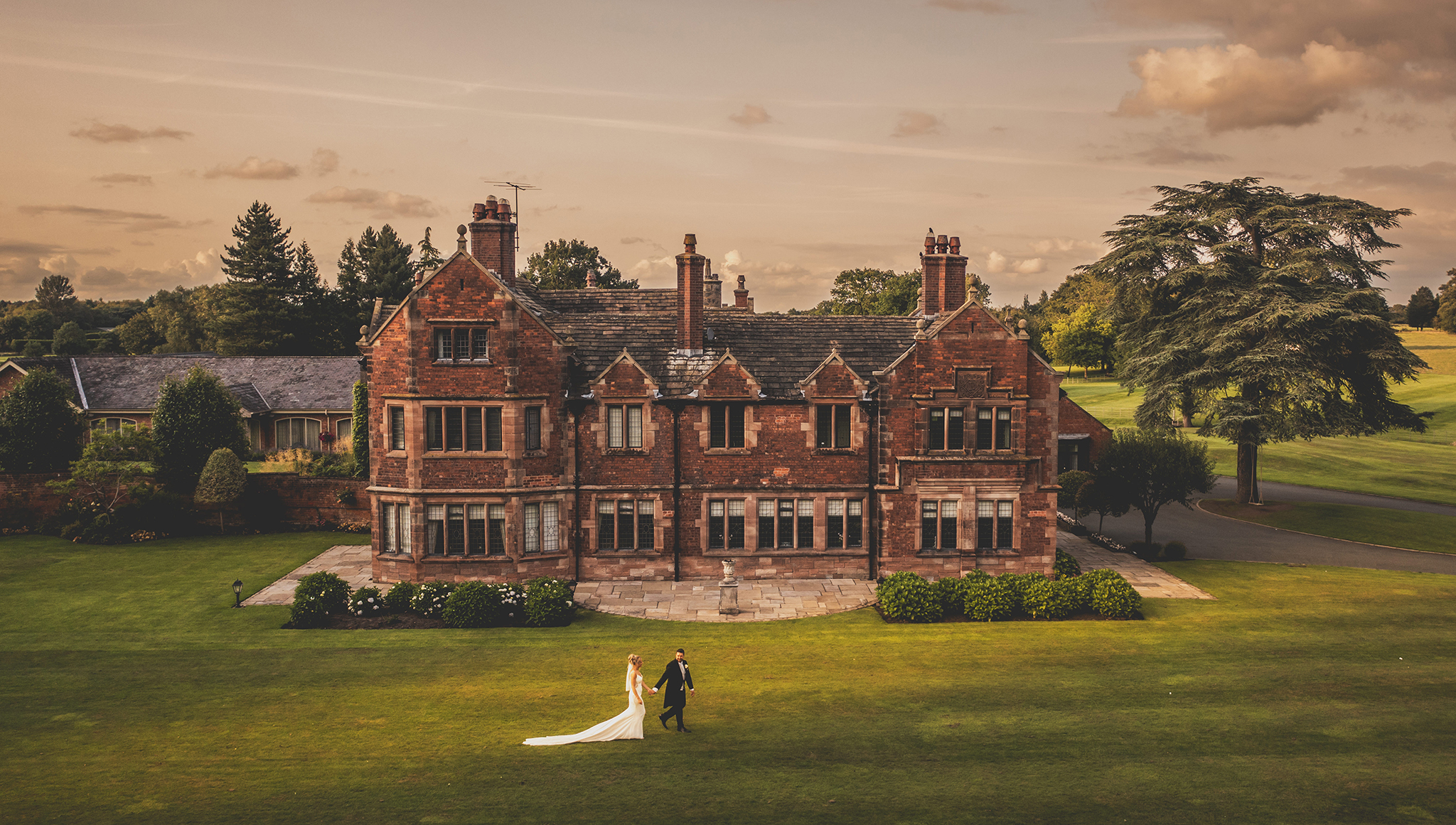
WEDDING
Entries into this section must have been taken at a ‘live’ wedding or civil partnership (i.e. on the day of the register or equivalent document signing).
Guidance: Images can be ‘documentary’ or ‘classical’ in style and will be judged accordingly, but any images involving a model or ‘trash the dress’ type shoots, pre and post wedding day images are excluded and should be entered in the People Section.
INTERNATIONAL ENTRIES
Guidance: Any photographic image which would fit into the other 7 categories but taken by a photographer from outside of the UK and Ireland.
COMPETITION RULES
- Entrants must have exclusive ownership of any submitted images.
- No image must violate copyright, trademarks, intellectual property or any other applicable law.
- Upon entry you grant the organisers a non-exclusive Licence to reproduce, publish and exhibit the Image in question. The copyright remains with the entrant.
- Where required, appropriate permissions such as, but not limited to, model releases and any relating to the photographing of or within buildings, property or land must have been sought and will have been deemed to have been obtained before submission.
- Any images taken via a drone must be taken in accordance with the relevant countries Drone and Commercial legislation.
- All parts of an image including editing must be created and undertaken by the author and not a third party. With the exception of the International Category, all images entered in the other 7 categories must have been taken by a photographer living in the UK or Ireland.
- The use of digital backdrops, fabric overlays, background scenes and other significant elements not created or photographed by the entrant, and/or addition of stock images (including those provided within editing software) are not permitted.
- The addition of textures is not considered a significant element so may be used in any section except Natural World.
- No Generative forms of AI can be used.
- Any image which is deemed to be obscene, racist, discriminatory, sexually explicit or in other ways displays content which is otherwise deemed Inappropriate will be disqualified.
- Entered images can be of any age.
- There are no limits to the number of images an entrant may submit, and entrants may enter the same image to more than one category should they feel it appropriate to do so, subject to a separate entry fee for each category entered.
- UK Photography Print Awards reserve the right to move any image into a different category if deemed more suitable.
- Images taken on training workshops or portfolio days are excluded even if taken during free time.
- No borders of any kind, author’s names or logos should be present on the image.
- Entrants must not do anything to injure, distress, or put at risk any subjects to secure an image. This includes live-baiting techniques. No images can be entered which are taken at locations that utilise live-baiting methods.
- Judges reserve the right to request the RAW camera file or equivalent relating to an entered image to ensure authenticity and the maintenance of ethical standards.
- If it is found that an image is in breach of any of the above, the image will be disqualified and no refund given. The Organisers accept no responsibility for any breaches and accept no liabilities for any such failures by the entrant.
- Any physical prizes can only be delivered to UK address.
- The organisers reserve the right to change or modify the rules at any time.
Print Requirements for Finalists:
Here’s what you need to consider about your print –
The EXTERNAL size of the mount must be 20 x 16 INCHES, and the print must have a minimum length of 10 inches along the longest side and a minimum overall size of 80 square inches (eg 10 x 8 inches), within the mount.
Creative mounting is welcomed, as long as the overall size of the mount is 20 x 16 inches. The maximum thickness of any mount, including the print, is ¼ of an inch.
The mounted prints will then be judged live by 5 Judges at the UK Photography Print Awards Judging Room at the PhotoHubs Event in Staffordshire on Friday the 5th of February 2027.
Judging Areas – What the Judges Look For
1. IMPACT – Immediate emotional or visual power.
2. PRESENTATION – Overall finish and cohesion.
3. TECHNICAL EXCELLENCE – Focus, sharpness, print quality.
4. LIGHTING – Natural or artificial, used with intention.
5. TECHNIQUE – All technical choices: capture, editing, printing.
6. CREATIVITY – Originality and vision.
7. STORYTELLING – Narrative depth or emotional message.
8. SUBJECT MATTER – Relevance to concept or theme.
9. COLOUR BALANCE – Tones working in harmony or contrast.
10. COMPOSITION – Visual structure and viewer guidance.
11. CENTRE OF INTEREST – Clear focal point or intentional diffusion.
12. STYLE – Personal voice and consistency in approach.
Overall Harmony
Judges will also consider congruence—how well all elements work together in unity. The most successful images are cohesive, intentional, and deliver a single, resolved visual statement. Even technically brilliant images may score lower if the elements feel disconnected.
UK Photographic Print Competition: Scoring Guidelines
65–69: Entry Level / Developing Work
Images at this level show potential, but significant improvements are needed in one or more areas.
These entries often reflect early-stage learning or incomplete execution.
- Impact may be low or unclear.
- Presentation may have distractions or lack finishing touches.
- Technical Excellence shows basic flaws in focus, exposure, or processing.
- Lighting is often flat or uncontrolled.
- Technique may lack refinement or be poorly chosen.
- Creativity is minimal or imitative.
- Storytelling is unclear or absent if required.
- Subject Matter may feel random or inappropriate.
- Colour Balance may be jarring or inconsistent.
- Composition may feel awkward or unbalanced.
- Centre of Interest is unclear or absent.
- Style is undeveloped or inconsistent.
70–74: Professional Standard
Images scoring in this range are considered of solid professional quality, suitable for client delivery or portfolio use.
They demonstrate competent execution but may lack polish or consistency in one or several scoring areas.
- Impact is present but may not be memorable.
- Presentation is neat and appropriate, a client would be prepared to display this.
- Technical Excellence is acceptable, minor flaws may be evident.
- Lighting is functional, but not necessarily expressive or refined.
- Technique is appropriate but may feel conventional or limited.
- Creativity is evident but safe.
- Storytelling and Subject Matter are clear but not emotionally compelling.
- Colour Balance and Composition are correct but may lack finesse.
- Centre of Interest is present but may not hold attention.
- Style is emerging but not distinctive.
75–79: Bronze Standard (Above Professional Standard)
This score reflects work that goes beyond industry expectation, showing creativity, intention, and a stronger grasp of the elements that elevate an image.
- Impact is more immediate or emotional.
- Presentation enhances the image overall.
- Technical Execution is tidy with minimal flaws or distractions.
- Lighting is considered and deliberate.
- Technique supports the vision of the maker.
- Creativity feels fresh and thoughtful.
- Storytelling connects more powerfully with the viewer.
- Subject Matter is relevant and well-selected.
- Colour Balance enhances mood or intent.
- Composition supports a clear visual journey.
- Centre of Interest is clearly directed and engaging.
- Style is becoming more recognisable.
80–84: Silver Standard (High Quality in Most Areas)
This range reflects images that are excellent overall, showing confidence and refinement. Judges will see harmony across most (if not all) scoring areas.There may still be some minor flaws.
- Impact is strong, likely to evoke a lasting impression.
- Presentation is professional and enhances image cohesion.
- Technical Excellence is high, with precision and care evident.
- Lighting is skilfully used to highlight form and mood.
- Technique demonstrates craftsmanship and experience.
- Creativity is purposeful and well-executed.
- Storytelling is evocative and thought-provoking.
- Subject Matter is ideal for the narrative.
- Colour Balance or monochromatic treatment is sophisticated.
- Composition enhances the image’s purpose and energy.
- Centre of Interest is expertly drawn and sustained.
- Style is clear, consistent and fitting to the subject.
85–95: Gold Standard (Exceptional Work)
Images scoring at this level are exceptional and approach the highest levels of photographic artistry. These entries demonstrate mastery in execution and a deep understanding of visual language. An image does not have to be perfect to score Gold. It can have minor flaws.
- Impact is immediate and profound, likely to affect viewers emotionally.
- Presentation is flawless and supports artistic intent.
- Technical Excellence is exemplary.
- Lighting is masterfully controlled, purposeful, and expressive.
- Technique pushes boundaries while staying disciplined.
- Creativity is original, confident and bold.
- Storytelling is deeply engaging and multi-layered.
- Subject Matter is perfectly chosen to suit the concept.
- Colour Balance is used to lead and support the visual message.
- Composition is sophisticated and powerful.
- Centre of Interest draws attention immediately and holds it.
- Style is mature, distinct, and confidently applied.
95+: Platinum Standard (Elite Work)
This is world-class work, setting benchmarks in creativity, technique, and storytelling. Only a select few images reach this level in any given competition.
- Impact is unforgettable; the image leaves a lasting emotional imprint.
- Presentation is museum or gallery-worthy.
- Technical Excellence is absolute.
- Lighting is poetic, elevating the image beyond the subject.
- Technique is flawlessly executed and innovatively applied.
- Creativity is groundbreaking, visionary and emotionally resonant.
- Storytelling is immersive; the viewer is transported.
- Subject Matter is integral, adding weight and meaning.
- Colour Balance (or tonal harmony) feels effortless and sublime.
- Composition is masterful; the image feels inevitable.
- Centre of Interest is magnetic; every element supports its draw.
- Style is iconic; the maker’s approach is unmistakable and influential.
ready to share your vision in print?
Entries for the 2027 UK Photography Print Awards are now open. Submit your entries by the 1st of December 2026.
Print Judging Location
Staffordshire, UK. 5th February 2027